


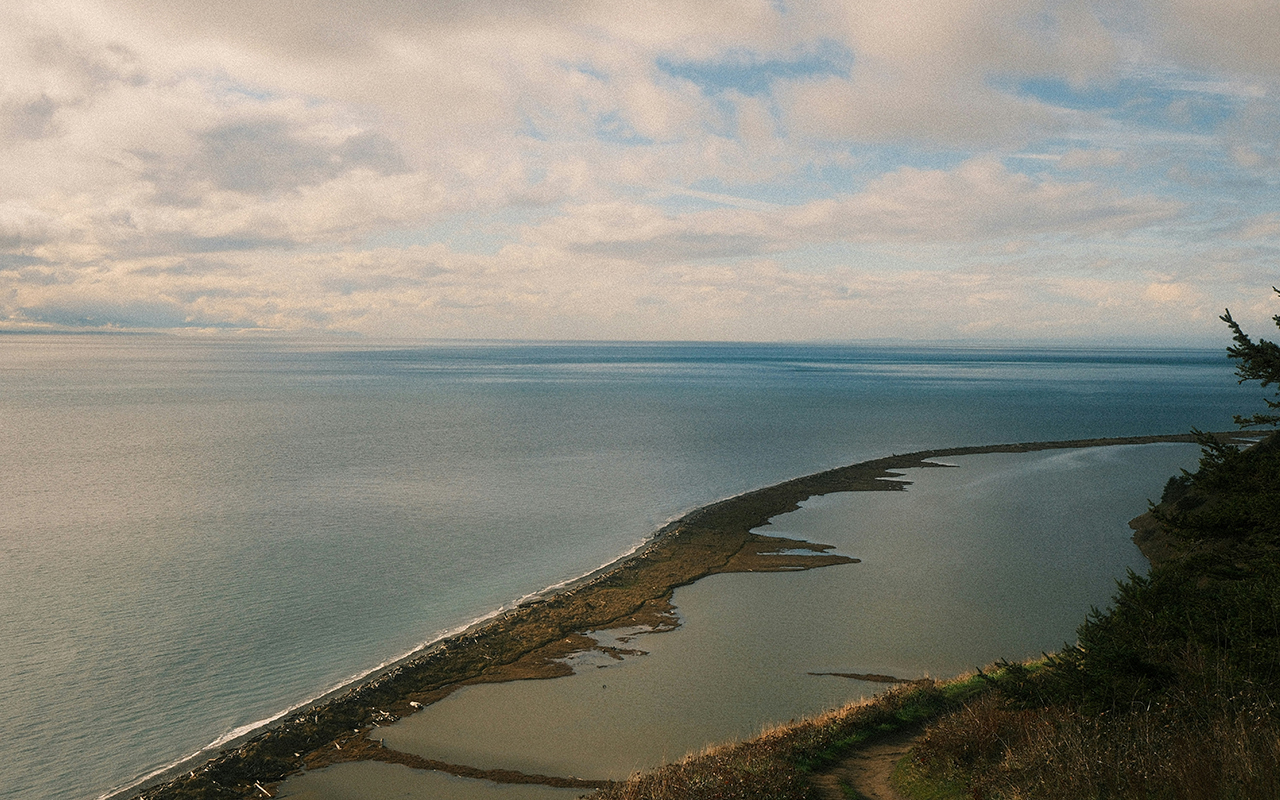
Two compelling versions of island life
For buyers dreaming of a Puget Sound retreat, Whidbey Island and the San Juan Islands often rise to the top of the list. Both offer remarkable shorelines, boating, wildlife and a slower pace. The right choice depends less on which is ‘better’ and more on how often you plan to visit, what you want to do and how you want to get there.
Access changes the experience
Whidbey offers multiple access patterns: the Clinton–Mukilteo ferry at the south end and a bridge connection through Deception Pass to the north. That flexibility can make frequent weekend trips and contractor visits easier, depending on your starting point. San Juan Island, Orcas and Lopez generally require ferry, boat or air travel; schedules, reservations and seasonal demand deserve planning. A remote-feeling retreat is wonderful—until the logistics do not match your routine.
Communities and everyday conveniences
South Whidbey’s Langley, Freeland and Clinton have an appealing blend of arts, dining and practical services. Central Whidbey offers historic Coupeville and a pastoral setting; North Whidbey has Oak Harbor and access to Deception Pass. In the San Juans, Friday Harbor provides a walkable town center, Eastsound anchors much of Orcas Island’s activity and Lopez has a notably relaxed rural character. Spend time in each area beyond a single sunny afternoon.
The boating question
Both regions are exceptional for boaters, but the right base depends on vessel, moorage needs and intended cruising. Anacortes and the San Juans are natural gateways to island-hopping, while Whidbey offers access to Saratoga Passage, Admiralty Inlet and surrounding waters. A home advertised as ‘boater friendly’ may still lack suitable depth, protected moorage or permitted dock facilities. Verify the particulars.
Waterfront is not one category
A broad sandy beach, a sheltered cove, a rocky shoreline and a dramatic high-bank view property deliver different experiences. Ask about exposure, usable beach, stairs, tides, access and maintenance. On both island groups, shoreline regulations and site-specific environmental considerations can influence what an owner may change.
Services, upkeep and remote ownership
Consider medical access, groceries, broadband, tradespeople and the ability to arrange emergency repairs. Owners who plan extended seasonal stays may accept more complex
logistics than buyers hoping for frequent two-night weekends. Ask what happens when a storm interrupts travel or a heating system needs service.
Investment and resale considerations
Each island has its own buyer pool and supply constraints. The more specialized the property, the more important comparable-sales analysis becomes. Do not assume a premium view automatically produces a superior investment outcome. Consider purchase price, ongoing costs, rental restrictions, liquidity and how many future buyers may share your preferences.
Choose your island by living it
My recommendation is to begin with a lifestyle brief, then visit several communities and compare real properties with similar budgets. Explore Whidbey and San Juan Island communities and work with an island-focused advisor who can connect the day-to-day experience with the transaction details.
Frequently Asked Questions
Is Whidbey easier to reach than the San Juan Islands? Yes, especially for buyers who can use Whidbey’s north-end bridge access, but actual travel time depends on origin, traffic and ferry schedules.
Which is better for boating? Both can be excellent, some of the best boating to be found anywhere. Logistics are important: Private Dock, Public Dock, Marina, Mooring Ball, Boathouse, Trailer. How you plan to use your boat can determine the best location to own property.
Which island offers better appreciation? No island can promise higher returns. Property-level characteristics, purchase price and market timing are critical.
